In this blog:
Learn why accurate curtain measurements matter and how the right window, curtain and rod sizes can help you achieve a great interior design.
- Follow a simple three-step process for measuring windows: determine curtain rod placement, measure curtain width and choose the right curtain length.
- See why measuring curtains correctly will help designs appear balanced and properly control light.
- Compare recommended window widths, curtain rod lengths and standard curtain panel sizes.
Adding curtains or drapes to your windows is a great way to incorporate a pop of color into your home without taking up any additional floor space. Just as important as choosing the curtain style is making sure you’ve gotten the right size for your space. To do that, you’ll have to measure the area around your windows. Don’t worry, it isn’t nearly as difficult as it might seem. Keep reading for a step-by-step guide on how to measure curtains.
Why Measuring Curtains Correctly Is Important
If you buy curtains before measuring your windows, you might create a lot more headaches for yourself than you solve. Ill-fitting curtains may:
- Appear over- or undersized when hung
- Fail to block light appropriately
- Throw off the proportions of your room
- Block items (such as hanging pictures) surrounding the windows
Why should you spend time choosing the perfect curtains, only to have issues like these pop up in the end? It’s always a better idea to know the right curtain measurements beforehand, so that everything comes together seamlessly when it’s time to install.

Proper Window, Curtain and Rod Sizes at a Glance
When measuring for curtains, the three most important numbers are the window width, the rod length and the size of the curtain itself. The table below includes standard recommended dimensions for each.
| Window Width | Curtain Rod Length Needed | Minimum Panel Width* |
| Up to 30″ | 38″–42″ | 19″ |
| 30″–48″ | 38″–60″ | 19″–34″ |
| 48″–80″ | 60″–92″ | 34″–50″ |
| 80″+ (patio doors, wide windows) | 92″+ (or two rods) | 50″+ |
*Pane width per panel, based on a two-panel design.
Even with standard measurements in mind, it’s still important to measure the dimensions of your specific windows. Every window is different. Having accurate measurements to match window size to curtain size can save time and money down the road.
What To Know Before You Begin Measuring Your Windows
As you kick off your curtain project in earnest, keep these ideas in mind:
- Your curtains will need to be wider (and often longer) than your windows themselves. Plan to free up surrounding wall space accordingly.
- Your curtain rods will also need to be slightly wider than the windows themselves.
- Never round to the nearest inch or half-inch when measuring. Measure to the nearest 1/8th of an inch. You’ll appreciate the accuracy later.
Accurate measurements ensure that your curtains are balanced and offer plenty of privacy and shade. You’ll also get a look you can enjoy for many years without feeling that something is “off.”
What You’ll Need To Measure for Curtains
To begin measuring for your curtains, gather the following tools:
- Measuring tape (preferably steel for optimal accuracy)
- Pencil and paper to note measurements
- Stepstool to reach the top of any tall windows
- A level (ensures curtain rods are installed evenly)
As you start the process, remember to measure each window individually. Don’t assume that two windows are the same size just because they’re in the same room. Small differences in size can matter a lot, especially when you stand back and view curtains from a distance.
Step 1: Decide Where the Curtain Rod Will Go
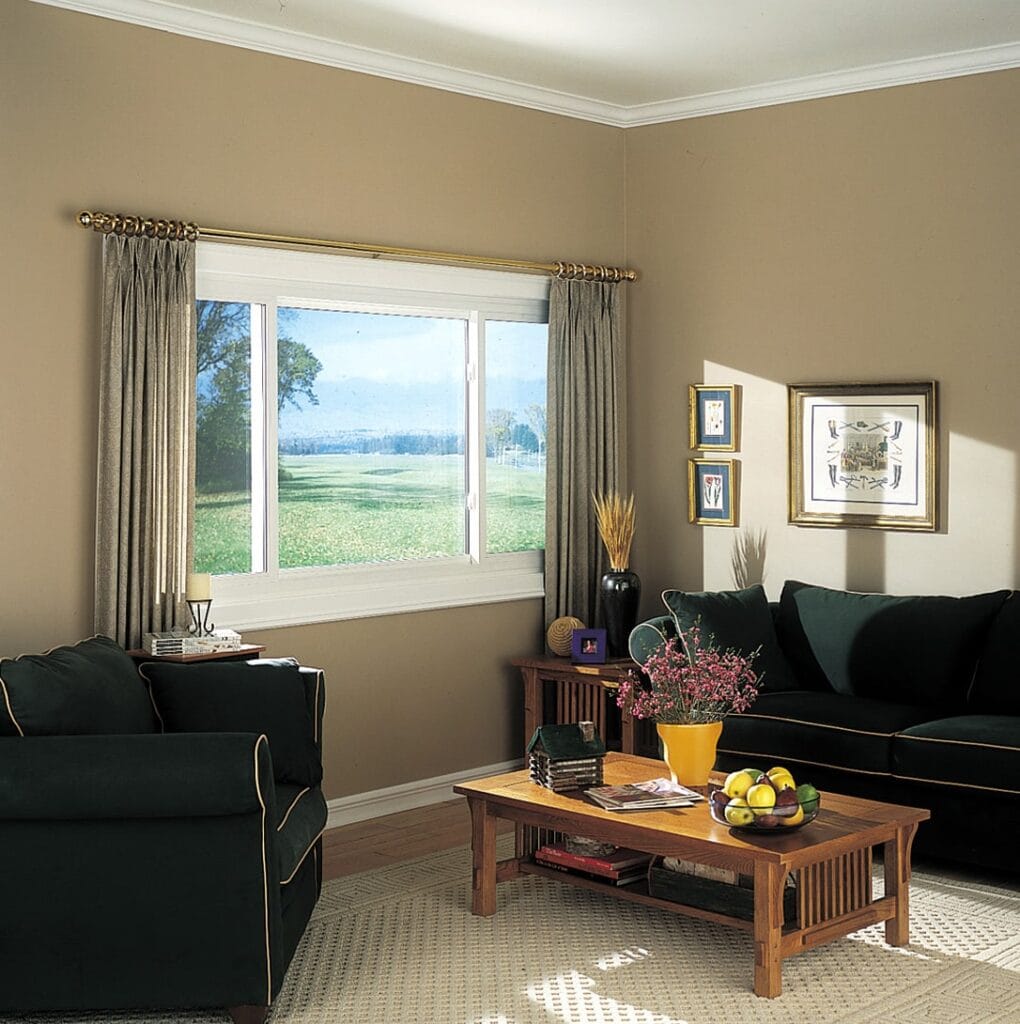
Determining the measurements for installing your curtain rod is very important. A rod’s height from the ground and width across the window will affect the length of your curtains and how much light the windows let in when the curtains are open or closed.
Curtain rods typically come in a couple of different styles. Inside-mount curtain rods sit inside the window frame. Outside-mount curtain rods are mounted on the wall just above and beyond the edges of the window. The measurement process for each rod is slightly different.
Measuring for Inside-Mount Curtain Rods
For an inside-mounted rod, measure the interior width and height of the window opening. Do not measure for any added overhang unless you plan to have curtains that are longer than the window frame.
Measuring for Outside-Mount Curtain Rods
When you’re ready to measure and place an outside-mounted rod, here’s what you’ll need to do:
- Plan to mount the rod 4–6 inches above the top of the window frame, space permitting. Measuring higher may make a window look taller and can add balance in certain areas.
- Extend the rod 4–6 inches beyond each side of the frame. If you want a fuller look, consider extending the length to 8–12 inches per side. So, a 48-inch window will need a rod that’s at least 56–60 inches wide, depending on your preferences.
Do not begin installing and mounting the curtain rods until you have the right measurements. Also be sure to choose a curtain rod that is strong enough to support the weight of your materials. Rods come in different diameters, and heavier fabrics will likely require wider rods.
Step 2: Measure for Curtain Width
Once you have the rod measurements, you’ll begin measuring for the curtains themselves.
- On inside-mounted curtains, this process simply involves measuring the interior of your windows. If you’re going to have two curtains in each window that meet in the middle, you’ll want to measure the full length and then divide by two. For instance, a 60-inch window will need two curtains of at least 30 inches each.
- For outside-mounted curtains, measure from at least the outer edge of the exterior trim on one side of the window to the center of the window. Then, add additional length arising from the length of the curtain rod. For example, if your window width is 48 inches, the measurement from the center of the window to the edge should be about 24 inches. Assuming your curtain rod adds another six inches on each side, the minimum size of a single curtain will need to be at least 30 inches.
Keep in mind, you’ll likely want your curtains to have a full, gathered look when closed, rather than looking like a single flat sheet across the window. Therefore, you’ll likely want to look for curtains that are larger than the length of the windows themselves. A good fullness ratio is usually 2–2.5 times the finished width of the curtain rod. If your rod is 60 inches, the total width of both curtains combined should be about 120–150 inches (or 60 to 75 inches apiece).
Step 3: Decide Your Curtain Length
The length of your curtains is how far they extend from the rod toward the floor. You’ll want to choose a curtain length that fully covers the windows themselves. Start your measurements at the curtain rod and stop at your preferred length. A few popular curtain length options include:
- Sill-length: Curtains end just at or slightly below the windowsill.
- Floor-length: Curtains extend 1/2 inch to 1 inch above the floor.
- Puddle-length: Curtains extend 3–6 inches past the floor for extra fabric that pools. This will give your space a more formal, decorative look.
There’s no particularly right or wrong length for your curtains, but practicalities often make the biggest difference here. Sill-length curtains are great options for kitchens or areas with furniture near windows, while floor-length curtains are often placed in bedrooms or dining rooms. Puddle-length curtains are generally most appropriate for areas without a lot of nearby foot traffic, such as formal living rooms.
Measuring for Unique Window Designs
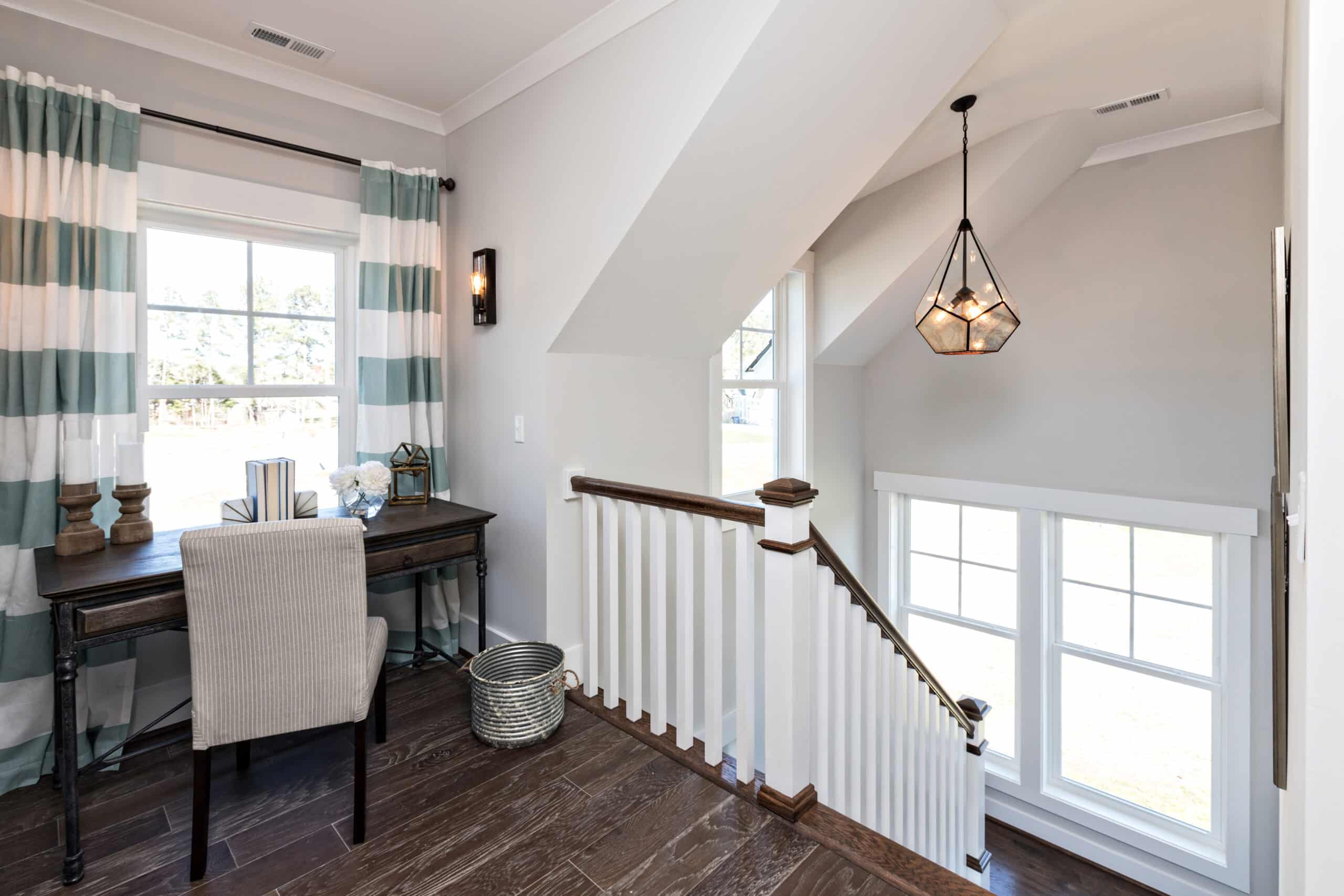
The processes above apply to measuring more standard window shapes like those found in double-hung, sliding and casement windows. However, windows come in a lot of shapes and sizes. If you’re planning to hang curtains around unique windows, keep a few special considerations in mind:
- Bay windows: Measure each window pane separately if you plan to hang curtains in each. Or, measure the span of the full window frame if you want your curtains to span the entire window.
- Patio doors: If you want your curtains to cover the entire door, measure the full span of the doors, including any trim.
- French doors: Follow the same process for measuring patio doors. If you want to hang curtains only over the glass, the rods may need to be mounted on the doors themselves. Adjust your measurements appropriately.
The Right Curtains. The Right Windows. Perfect Combinations.
Measuring your windows for curtains doesn’t have to be difficult. Breaking the process down into determining the rod length, curtain width and curtain length makes it much more digestible. With a little attention to detail, you’ll soon have curtains that perfectly balance light and proportions to complete any room’s look.
If you’re thinking of upgrading your windows at the same time as your curtains, Window World’s got you covered. Get a free in-home estimate on energy-efficient windows that will provide fresh views you can enjoy anytime.
Frequently Asked Questions
How much bigger should curtains be than the window?
Most people want their curtains to appear appropriately full when closed. A good fullness ratio for a curtain is approximately 2 to 2.5 times the width of the window. So, if you have a 48-inch window, then you’ll want curtains that are approximately 96 inches wide.
What is the standard size for curtain rods?
Curtain rods vary considerably in length and diameter, but most are adjustable. If you are planning to mount your curtain rods on the outside of your windows, you’ll want to choose a rod that is slightly longer than the window itself. For inside-mount rods, choose a length that will fit the window exactly.
Do you measure curtains from the floor or the rod?
Measure curtains from the rod, not the floor. You’ll want a curtain that is long enough to cover the full window, from the rod to the sill. You can then extend the curtain length as far below the windowsill as you prefer.